

What you’ll learn:
- The importance of reestablishing care for patients who are eligible for a sound processor upgrade.
- How to implement efficient workflows that support streamlined reestablishing‑care visits.
- Why clear, comprehensive clinical documentation is essential for a smooth and successful sound processor replacement process.
Time to read: 5 minutes
Although there is no universal standard, many insurance providers require patients to have engaged with their cochlear implant care team within the 24 months preceding the submission of a cochlear implant sound processor replacement claim.

When it comes to recipients who are eligible for new sound processor technology, ensuring you have updated chart notes may pose challenges related to clinic capacity, scheduling workflows and appointment prioritization. Some of these patients may need to be seen virtually or in-person in order to meet insurance requirements.
For patients seeking replacement sound processors, these resources are designed to support insurance requirements, streamline clinic processes and empower patients to plan ahead so they can maximize their insurance benefits.
Documenting medical necessity for new sound processor technology
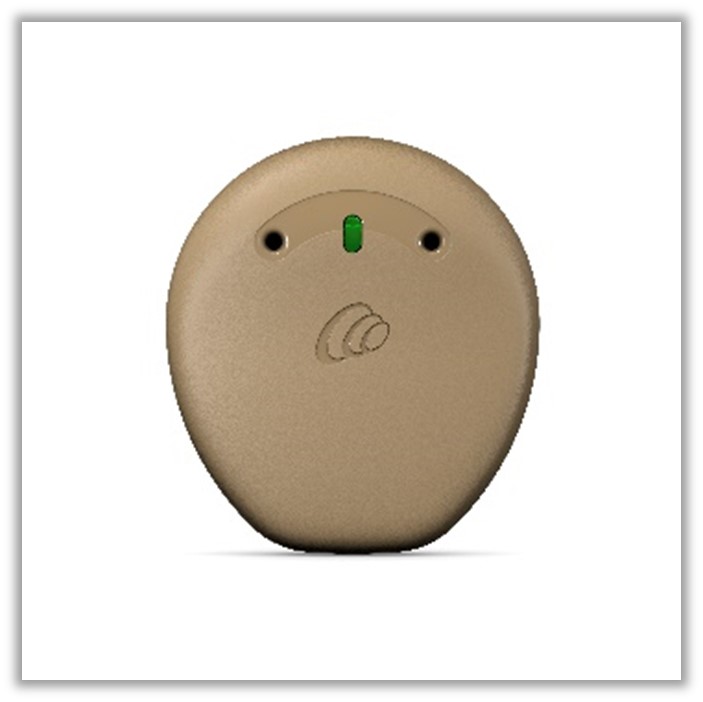
While insurance eligibility requirements may vary by carrier, for most major insurance carriers, replacement of a cochlear implant sound processor is only considered when it is medically necessary.* This determination depends on current medical records that clearly document one or more of the following:
- The patient’s current sound processor no longer meets their day-to-day listening needs and significantly impacts activities of daily living
- The sound processor is broken, cannot be repaired and is not under warranty
The case for early outreach
Clinics that start outreach early in the calendar year consistently report smoother workflows and better outcomes for patients.
Early contact helps:
- Determine when you last interacted with your patient and whether they need to be seen either virtually or in-person
- Connect with your patients to ensure chart notes are detailed and up-to-date before initiating an order for a replacement sound processor, as recent clinical documentation on the patient’s medical needs and device is a requirement for many insurance carriers
- Allows time for documentation, insurance review and potential appeals
- Support patients who want to maximize their insurance benefits before year‑end
From a patient perspective, early outreach also reduces stress. Many recipients are unaware that a replacement sound processor requires updated clinic visits or that insurance timelines can impact their options.
Best practices from clinics doing this well
1. Proactive identification of eligible patients
Successful clinics routinely review their patient lists early in the year to identify:
- Patients who are eligible by device age
- Reach out to you Recipient Solutions Manager with questions; they can assist with identifying these recipients
- Patients who have not been seen in the 24 months preceding the submission of a sound processor replacement claim
Proactively identifying recipients needing an appointment allows you to reduce urgent appointments based on insurance requirements.
2. Clear appointment purpose and expectations

Patients are more likely to attend appointments when they understand why the visit is needed.
Helpful language includes:
- Reinforcing that the appointment supports their hearing needs, not just paperwork
- Explaining that insurance requires updated records
- Clarifying that the visit helps determine whether an upgrade is medically necessary
Front office and clinical staff alignment on this messaging is key.
3. Right‑sizing the appointment
Not every appointment needs to look the same. Clinics report success when they:
- Define standard visit types for reestablishing care
- Utilize appropriate staff for data collection, history updates and testing
- Reserve full audiology or surgeon time for patients who truly need it
This approach helps protect schedules while still meeting documentation requirements.
Here’s what Brittany Bown, AuD at Momentum Hearing Centers Provo shared about their process: “Our clinic has implemented an approach to cochlear implant upgrades designed to improve access, enhance efficiency, and maintain continuity of care. Upgrade consult appointments are scheduled with the audiologist in 30-minute blocks, which allows us to quickly assess device function and address any immediate patient concerns and the reason for replacement. Education on next-generation technology and the ordering process is intentionally handled by the USS team, which has allowed us to prioritize timely and efficient clinic visits.
As an additional option, patients may instead be seen by the ENT team, which often provides quicker access and prompt scheduling. One physician assistant has been specifically trained to document upgrade visits, allowing appointments to remain both consistent and thorough.
This dual-pathway has helped reduce barriers to care, minimize patient wait times, and optimize clinic capacity while guiding our patients smoothly through the upgrade process with dedicated support at every step.”
4. Focused, insurance-ready documentation

During the visit, documentation should clearly reflect:
- The patient’s current listening challenges
- How hearing limitations affect daily life (work, communication, safety, independence)
- Device condition, repair history or warranty expiration
Clear, objective notes reduce delays and help avoid back-and-forth with insurance carriers.
5. Coordinated follow-up after the visit
Clinics that excel in this area ensure there is a clear next step after reestablishing care:
- Confirming whether the patient is ready to pursue a replacement sound processor
- Connecting patients with upgrade support resources
- Setting expectations related to timelines and the insurance process
This helps patients stay engaged and reduces delays in the process.
Supporting patients while supporting your clinic
Reestablishing care appointments are more than an administrative requirement—they are an opportunity to reconnect with patients, reassess outcomes and ensure each recipient is receiving the best possible hearing support.
By reaching out early, setting clear expectations and aligning clinical and administrative workflows, clinics can:
- Reduce last minute scheduling pressure
- Improve insurance success rates
- Help patients plan confidently for their replacement sound processor
Early planning benefits everyone involved. Consider connecting with your RSM to review your upgrade‑eligible patient list and begin early outreach. This allows you to strengthen your documentation, protect clinic capacity and help patients make the most of their insurance benefits each year.
Please review this list of resources for additional support:
Cochlear Implant Sound Processor Replacement Protocol
Replacement Sound Processor Insurance Guide
Activities of Daily Living Checklist
Ready-to-Wear: A Seamless Way to Deliver Sound Processors
Quick Tip: New Process for Sound Processor Replacement Orders
* Contact your insurance provider or hearing implant specialist to determine your eligibility for coverage.
The views of the healthcare providers in this blog are their own and do not necessarily represent the views of Cochlear Limited or its subsidiaries.