
The cochlear implant journey is often complex, requiring patients and families to navigate multiple appointments, logistical challenges, and unfamiliar technology. At the University of Miami, that journey has been reimagined. Under the leadership of Dr. Meredith Holcomb, the program has implemented innovative changes that prioritize efficiency, accessibility, and patient-centered care—without compromising clinical outcomes.
These changes—ranging from redesigned clinical protocols to expanded telehealth services—reflect a broader shift toward patient‑centered, data‑informed care. The result is a model that delivers timely access, maintains strong clinical outcomes and supports patients to achieve their best hearing performance as quickly as possible.
Redesigning the Post‑Implant Protocol

One of the most impactful changes within the program has been the restructuring of the post‑implant appointment schedule. Historically, patients were seen numerous times during the first year after activation, often requiring eight or more visits. While this approach was rooted in caution and tradition, it placed a considerable burden on families and contributed to scheduling bottlenecks.
A retrospective analysis conducted by the clinic compared outcomes between patients who followed the traditional high‑frequency protocol and those who completed a reduced, four‑visit protocol during the first postoperative year1. The findings demonstrated no clinically significant differences in speech or language performance between the two groups.
This evidence supported the adoption of a streamlined protocol, which has produced several benefits:
- Increased appointment availability for new candidates
- Reduced travel and logistical demands for families
- More efficient use of clinical resources
- Improved access for both pediatric and adult patients
The revised protocol maintains high standards of care while eliminating unnecessary visits, allowing clinicians to focus on cases requiring more intensive support.
Integrating Telehealth as a Core Component of Care
Telehealth has become an integral part of the clinic’s care model, offering flexibility and improved access for patients at various stages of the cochlear implant process.
Virtual Pre‑Implant Counseling
One of the most successful applications of telehealth has been the transition of pre‑implant counseling sessions to a virtual format. These hour‑long sessions provide essential education about candidacy, expectations, and the implant process.
The shift to telehealth has resulted in:
- Higher attendance rates
- Greater family participation
- Increased patient comfort and engagement
- A notable rise in conversion rates from evaluation to implantation
By allowing patients to participate from home, the clinic has removed common barriers such as transportation challenges, work conflicts and limited availability of family members.
Remote Troubleshooting and Support
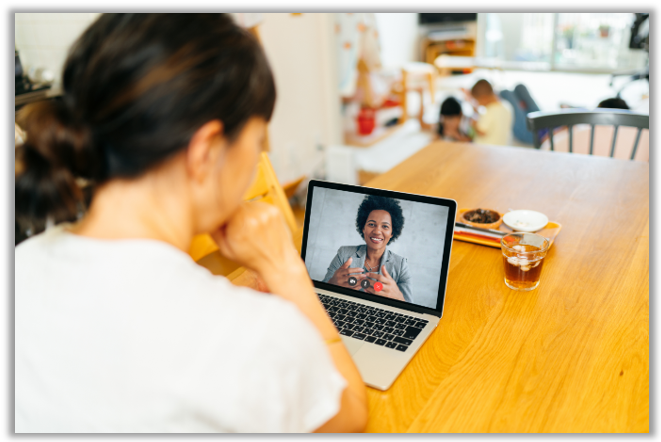
Telehealth has also been incorporated into routine follow‑up care, including:
- Hearing aid troubleshooting
- Cochlear implant processor support
- Basic mapping questions
- Consultations with psychologists, educators, and social workers
- Performance monitoring
This hybrid model ensures that in‑person appointments are reserved for procedures requiring hands‑on care, while routine issues can be addressed quickly and conveniently online.
Enhancing Coordination Through a Patient Navigator
To further streamline the cochlear implant journey, the clinic introduced a dedicated patient navigator—a role designed to guide families through the complexities of receiving a cochlear implant.
The navigator serves as a consistent point of contact, helping families avoid confusion, delays, and administrative obstacles. Within the first eight months of implementing this role, the clinic observed a nine‑month reduction in the time it took pediatric patients to progress from initial contact to implantation.
This addition has strengthened communication, reduced missed steps and improved satisfaction among families and clinicians alike.
Building a Model That Reflects Patient Needs
The clinic’s diverse patient population has also shaped its evolving care model. With many Latino patients who use Spanish as their primary language, the team recognized that telehealth was not always the preferred format for this population. In response, the program now offers both in‑person and virtual counseling options, ensuring that patients can choose the format that best supports their understanding and comfort.
This flexibility, supported by a multilingual clinical team, has improved engagement and strengthened trust across the patient community.
A More Efficient, Accessible and Patient‑Centered Future
The University of Miami’s cochlear implant program demonstrates how thoughtful redesign of clinical workflows can meaningfully improve access and outcomes. By streamlining protocols, integrating telehealth, and enhancing patient navigation, the clinic has created a model that is both efficient and deeply patient‑centered.
These changes continue to shape a more responsive and sustainable approach to cochlear implant care—one that prioritizes clarity, accessibility and measurable clinical benefit.
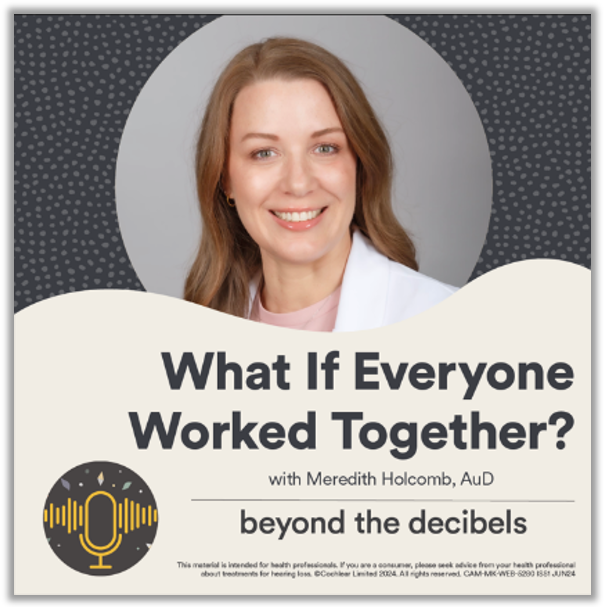
Want to dive deeper into the strategies behind these changes and hear directly from Dr. Meredith Holcomb? Listen to the full podcast episode for an inside look at how these innovations are shaping the future of cochlear implant care.
- Asfour, L., Coppola, M., Espinal, S., & Holcomb, M. A. (2025). Evaluation of a de‑escalated post‑operative cochlear implant programming protocol. Laryngoscope. Advance online publication. https://doi.org/10.1002/lary.70172
This blog is intended to serve as a resource for clinicians to help keep up to date with current clinical literature and is intended for professionals only. Clinical literature is based on research, which may include the experimental use of new or currently available products and technologies. Therefore, literature presented on this blog may represent use of Cochlear products that does not align with the intended use or indications approved by regulatory bodies, also known as off-label use. Cochlear does not condone any off-label use of its products, and it is not Cochlear’s intent to promote off-label use by providing this blog as a resource for healthcare professionals.
Views expressed are those of the individual. Consult your hearing health provider to determine if you are a candidate for Cochlear technology. Outcomes and results may vary.