
In today’s rapidly evolving hearing healthcare landscape, cochlear implant professionals are tasked with more than just delivering sound, they’re guiding patients through life-changing decisions. With multiple systems available, how do you determine which solution best supports long-term success?
Whether you’re an audiologist, surgeon or candidate considering cochlear implantation, asking the right questions can illuminate the path forward. Here are a few key considerations to reflect on, each pointing to the value of innovation, reliability and patient-centered care.
Will this implant evolve with my patient’s needs over time?
Technology changes rapidly. Patients deserve a solution that won’t fall behind the pace of technological advancements.
Consider this: Does the implant offer firmware upgrades without requiring additional surgery? Can it adapt to future innovations in sound processing?
Why it matters: The Cochlear™ Nucleus® Nexa System is the first to offer a smart implant with upgradeable firmware, allowing clinicians to deliver future enhancements without surgical intervention1,*,^,ⱡ. This gives patients access to innovation through updates to their implant’s firmware AND through future sound processor upgrades. In other words, more access to innovation over their lifetime.
How will this system support my patient’s lifestyle?
Battery life and power efficiency directly impact how patients experience their day-to-day lives.
Consider this: Does the system intelligently manage power to extend battery life in real-world environments?
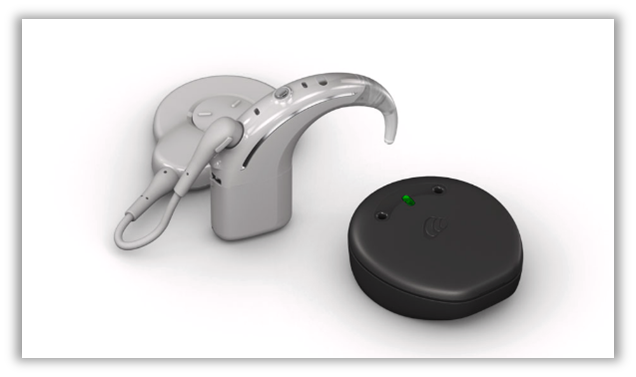
Why it matters: The Nucleus Nexa System features Dynamic Power Management which adjusts energy use based on listening conditions, helping patients stay connected longer without interruption.2,#,^ This allows for all day battery life in an even smaller behind-the-ear sound processor.
Is the processor designed for comfort and discretion?
Processor design influences not only aesthetics but also wear time and compliance.
Consider this: Is the processor lightweight and discreet enough for all-day wear? Will it encourage consistent use?
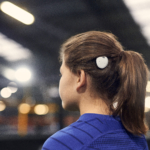
Why it matters: The Nucleus Nexa System offers the smallest and lightest behind-the-ear and off-the-ear processors available with all day hearing, supporting comfort and confidence2.
How seamless is the experience when upgrading or replacing processors?
Processor loss or upgrades shouldn’t mean starting over.
Consider this: How do patients get access to their MAPs for broken or lost sound processors? Where are those MAPs stored?
Why it matters: The Nucleus Nexa Implant stores MAPs internally, allowing for seamless transitions between processors and reducing the need for reprogramming. This means your patient’s unique hearing information is stored on the implant itself, creating simplicity when transitioning to a new Nucleus Nexa Sound Processor. There’s no need to access the cloud or have a specific mobile phone or app. The patient can put an unprogrammed processor on and in 20 seconds they are back on the air.
How does the system support clinical efficiency and remote care?
Clinicians need tools that extend care beyond the clinic walls.
Consider this: Does the system offer remote diagnostics and support? Can it reduce the number of in-person appointments?
Why it matters: The Nucleus Nexa System’s onboard diagnostics and Connected Care platform empower clinicians with remote monitoring and support tools, enhancing efficiency and patient independence£.
Is the implant designed with surgical and MRI considerations in mind?
Surgical ease and MRI safety are critical for long-term care.
Consider this: Does the implant support safe MRI access and provide tools for surgical planning?
Why it matters: The Nuclueus Nexa is MRI-compatible and includes smart diagnostics that support both surgical workflows and post-op care3.
Final Thoughts: A System That Supports You and Your Patients
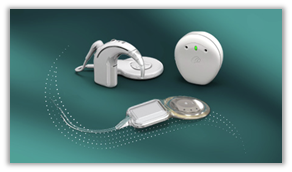
Choosing a cochlear implant system is more than a technical decision, it’s a commitment to your patient’s future. By asking the right questions, professionals and candidates alike can identify solutions that offer not just sound, but confidence, adaptability and long-term support.
The Cochlear™ Nucleus® Nexa System is designed with these priorities in mind—empowering clinicians and patients with a smarter, more connected hearing experience.
Click here to learn more about what the Nucleus Nexa System offers.
1 Cochlear Limited. FUN5261. FDA Approval Letter for CI1000 Series Implant System. 2025.
2 Cochlear Limited. D1190805 Processor Size Comparison. 2024, May.
3 Cochlear Limited. D2044134. Cochlear™ Nucleus® Implants Magnetic Resonance Imaging (MRI) Guidelines.
* The only cochlear implant having onboard memory with upgradeable firmware.
^ As future advancements or technology become available for the CI1000 series implant, a firmware update may be required in order to take advantage of newer features.
# Battery life varies for every user, according to the age of the battery, the programs used each day, your implant type, the thickness of skin covering your implant, and the size and type of battery used. Streaming from compatible devices, True Wireless devices or FM may decrease sound processor battery life depending on how often and for how long streaming is engaged. Typical expected battery life is calculated using default map settings used with a CI1000 series implant. All day hearing is defined as 16 hours.
£ Remote Check for Nucleus sound processors is approved for all ages, however certain tests are not suitable for ages below 6. Remote Check does not replace clinical care and does not involve remote programming of the sound processor. Remote Assist for Nucleus sound processors is approved for ages 6 and older. Remote Check and Remote Assist features are only visible and accessible if they are enabled by a clinician. Clinicians should consider the suitability of the feature before enabling Remote Check and Remote Assist. Only available at clinics that have enrolled in Remote Care. For compatibility information visit www.cochlear.com/compatibility
ⱡ This feature is only compatible with CI1000 Implants.
This blog is intended to serve as a resource for clinicians to help keep up to date with current clinical literature and is intended for professionals only. Clinical literature is based on research, which may include the experimental use of new or currently available products and technologies. Therefore, literature presented on this blog may represent use of Cochlear products that does not align with the intended use or indications approved by regulatory bodies, also known as off-label use. Cochlear does not condone any off-label use of its products, and it is not Cochlear’s intent to promote off-label use by providing this blog as a resource for healthcare professionals.